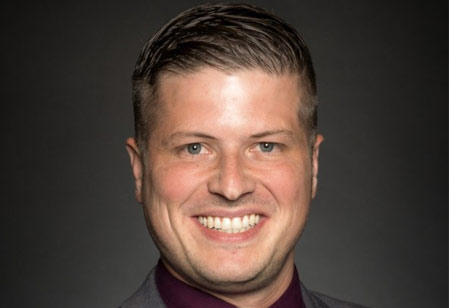




 Perry Silvey, CHST, Safety Manager, BT Construction, Inc
Trenching and excavation work have been part of construction since the industry began. Protective systems have existed for decades. Training materials are widely available. And yet, every year, workers continue to lose their lives in trench collapses that were entirely preventable. This is not a knowledge problem. It is a culture problem.
I’ve spent much of my career around underground construction and one thing has become painfully clear: trench safety often lives in binders, policies and training rooms, not consistently in the field where the risk is real. We talk about safety, but when production pressure rises, trench protection is still treated as optional, inconvenient, or something that can wait “just a few more minutes.” Those minutes are where lives are lost.
This disconnect is exactly why we formed the trenching and excavation safety taskforce (TEST).
TEST is not a regulatory body, a trade association, or a compliance initiative. It is a grassroots volunteer group of safety professionals, contractors, engineers, manufacturers and industry advocates who share a simple belief: trench fatalities are unacceptable and we have a responsibility to do more than react after someone is killed.
What makes TEST different is that it exists outside of enforcement and outside of corporate competition. The focus is awareness, collaboration and practical change. The goal is to reach people before an incident happens. Especially those in smaller crews, short-duration jobs and high-pressure environments where trench safety is most often compromised.
One of the most visible efforts to come out of this mindset is “Think Inside the Box”.
For years, “trench boxes” have been viewed as bulky, time-consuming obstacles to productivity. Think inside the box challenges that thinking entirely. The message is simple: the safest place in a trench is inside a properly installed protective system and there is nothing inconvenient about going home alive.
The phrase resonates because it reframes the conversation. It moves trench safety away from rule-following and into decision-making. It asks workers, supervisors and project leaders to pause and consider where they are choosing to stand, literally and figuratively. Inside the box represents protection, planning and respect for the risk. Outside the box is where collapses happen.
TEST has helped amplify that message by encouraging open conversations across the industry, between competitors, between management and crews and between safety professionals who are tired of seeing the same fatality reports year after year. These are not polished conference speeches or polished campaigns. They are honest discussions about near misses, shortcuts, production pressure and the uncomfortable truth that “we’ve always done it this way” is still costing lives.
What gives this movement momentum is that it doesn’t rely on fear alone. Yes, trench collapses are violent, sudden and unforgiving. But fear without ownership fades quickly. TEST focuses on ownership, the idea that trench safety belongs to everyone on the site, not just the safety department or the competent person listed on paper.
When workers feel empowered to speak up. When supervisors slow the job down instead of looking the other way. When companies invest in protection before they need it.
That’s where real change starts.
Technology, training platforms and equipment innovation all have a role to play, but none of it matters if the industry doesn’t collectively decide that trench collapses are no longer an acceptable risk of doing business. Grassroots efforts like TEST matter because they keep the conversation alive between incidents, not just after a headline forces attention.
If this industry wants fewer memorials and more milestones, trench safety has to become personal. It has to be talked about in trailers, at tailgates and in boardrooms with the same urgency as production schedules and profit margins.
Think Inside the Box is not a slogan. It’s a mindset shift. TEST is not a program. It’s a reminder.
We already know how to prevent trench collapses. The real question is whether we are finally ready to commit to doing it together.