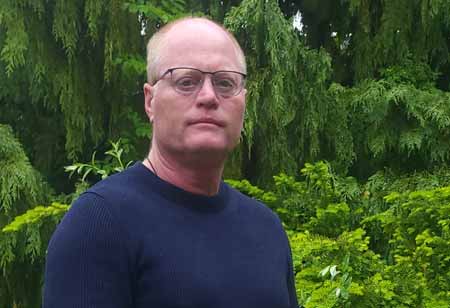





 Dave Mueller, Director of VDC, Stellar
Professional Background and Current Role Overview
I have 20 years of industry experience spanning from plumbing design to medium-high voltage substation and transmission design that has given me a well-rounded design perspective leading into a career in Virtual Design & Construction as well as software management.
Leveraging VDC for Sustainability in Construction
We aim to have VDC be the bridge between design and construction, helping to communicate and transfer data between both. Part of that comes in coordinating models and reviewing design. Identifying and addressing issues digitally before they reach the construction site saves time, energy, and costs. With advancements into 4D (time) and 5D (costs), VDC can continue to increase efficiencies and proactively address issues before they make it to construction, which could lead to more sustainable, energy- and material-friendly construction.
Accelerating Industry-Wide Adoption of VDC
One of the biggest hurdles is the thought of ownership of data. If you’re on a project team across multiple companies, or even within your own, data sharing needs to be open and free. We need to move past the silo approach to design and construction and all have the common goal in mind of completing the job and making sure our customer is happy. It’s natural to be averse to change, but we need staff willing to invest in innovation, especially in today’s ever-changing world. Technology is advancing at such a fast pace; we need to keep an eye on it and understand what we can benefit from and be willing to “jump” when the opportunity strikes.
“Virtual Design & Construction (VDC) bridges design and construction, enhancing communication, sustainability, and efficiency. By embracing technology, fostering collaboration, and mastering soft skills, industry leaders can drive innovation, reduce costs, and create more resilient, adaptable urban environments.”
VDC’s Role in Resilient Urban Development
I think VDC can play an integral role in creating more connected and adaptable urban environments by adding technology into the process. Documenting real-world conditions through lidar scanning, drones, 360 imagery, and getting data into the digital world as a basis for design. Introducing VR and AR through the cycle to track and monitor progress and deviations and adjust to solve issues that arise. Finally using the same technology to thoroughly document final as-built conditions. Incorporating the tools of technology and breaking through those silos will help bridge the gap amongst disciplines (traffic engineers, site layout, building design, utilities, etc.) for a full, integrated approach.
Key Skills for Competitive VDC Teams
As much as I love technology and the integration of software and equipment, it’s really the soft skills that need to be mastered. Being an expert communicator is huge for VDC management. We work across all disciplines and phases of a project. We need to be able to fully understand the audience we’re speaking to and communicate to their preferences. Also, understanding no amount of technology can make up for real world experience and know-how. Design and construction are the job, not technology. Technology is the tool and should be used as a tool to increase quality and safety and decrease costs.
Advice for Future Construction Technology Leaders
Always keep that hunger to learn and grow. Technology changes all the time and be willing to change with it. Accept the correct answer even if it didn’t come from you. Master those soft skills, share information, and be willing to take the risk.