
THANK YOU FOR SUBSCRIBING
× 
Construction Tech Review Weekly Brief
Be first to read the latest tech news, Industry Leader's Insights, and CIO interviews of medium and large enterprises exclusively from Construction Tech Review



AECOM Hunt [NYSE: ACM]
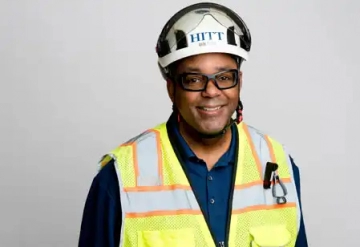
Curtis Corley, Director of Safety – South
Protecting Workers on Construction Sites: Beyond OSHA Minimums

Curtis Corley
Curtis Corley is an experienced Occupational Safety & Health professional based in Leander, Texas. Formerly a Senior SH&E Project Manager at AECOM Hunt, he specializes in construction safety, audits, workplace training, and risk management, with a BASc from Columbia Southern University.
Construction sites are dynamic environments characterized by heavy machinery, complex processes, and various safety hazards. While the Occupational Safety and Health Administration (OSHA) sets minimum safety standards designed to protect workers, reliance solely on these regulations can lead to inadequate protection in the face of real-world, evolving risks. Understanding the difference between merely meeting OSHA minimums and genuinely prioritizing worker safety is crucial for fostering a safer construction culture.
Understanding OSHA Standards
OSHA was established in 1970 with the goal of ensuring safe and healthful working conditions for employees. Its regulations cover a wide range of construction-related hazards, including fall protection, scaffolding, electrical safety, and hazardous materials handling. Compliance with these minimum standards is mandatory and serves as a baseline for safety practices.
However, the inherent limitation of OSHA standards is that they often represent the lowest acceptable level of protection. This approach can lead to situations where companies meet these minimums while still exposing workers to significant hazards. For example, while OSHA mandates fall protection at heights over six feet, many serious accidents occur below this threshold, highlighting the need for more proactive safety measures.
The Shortcomings of Minimum Compliance
Meeting OSHA standards may create a false sense of security among employers and workers. A construction site that merely complies with regulations might overlook common hazards specific to that site, such as fall protection during the erection or dismantling of scaffolding and steel erection, just to name a couple of examples. Items such as weather conditions, complex site layouts, and varying worker experience levels can all influence the safety landscape, necessitating tailored safety practices beyond basic compliance.
"Safety improves when organizations move beyond compliance and focus on real-world risks."
A workplace can technically meet OSHA requirements while still providing a place where employees can be permanently injured or killed. Even if every employer on a construction site fosters a “follow the rules” mentality and all employees follow the general contractor’s safety manual (in this case, OSHA standards), they aren’t really being protected. The scaffold builder could easily fall off a scaffold while at 9 feet, and the connector for the steel erection company could fall and be killed. It might make the news, and everyone on site would say it’s a tragedy. The employers involved would likely change their policy to prevent a recurrence, which would be a move in the right direction.
Moving Towards a Safety-First Culture
To protect workers effectively, construction companies must transition from a compliance-centric mindset to one that prioritizes comprehensive safety practices. Here are some strategies to consider:
1. Hazard Assessments: Conduct thorough, site-specific hazard assessments before starting any project. This process should include identifying project-specific risks and implementing measures beyond OSHA requirements to mitigate them. In today’s world, the aforementioned hazards are recognized, which is why most construction employers have implemented a 6’ fall protection rule.
2. Training and Education: Regularly train workers not just on how to comply with OSHA standards, but on the reasons behind safety practices. Safety should be built into the work tasks, trained that way and follow-up and accountability are paramount.
3. Encourage Reporting and Feedback: Establish systems for workers to report hazards or unsafe practices without fear of retribution. This encourages a proactive approach where safety becomes a collective responsibility
4. Invest in Safety Equipment: While OSHA provides guidelines on equipment, investing in higher-quality or advanced safety technologies can reduce risks significantly. Equipment is no different than the OSHA minimum. Ask yourself, “If my child were performing this work, what would I want them to use?” Spend (invest) the extra money for the more advanced fall protection systems.
5. Leadership Commitment: Safety must be a core value at all levels of a construction company. When leaders prioritize safety and lead by example, it sets a tone that resonates throughout the organization.
6. Regular Safety Audits: Conduct regular audits and inspections to ensure safety measures are implemented and actively followed. Continuous evaluation allows companies to adapt and improve safety protocols.
Conclusion
Employers who worry about protecting their employees first will ultimately be in compliance because they have made the determination that more should be done than the OSHA standard. While these regulations lay a foundation for safety, true protection involves a commitment to fostering a culture where safety is prioritized at every level of operation. By implementing comprehensive safety programs, investing in proper training, and encouraging open communication about hazards, the construction industry can make tangible strides in reducing workplace injuries and ensuring that every worker returns home safely at the end of the day. It’s time to raise the bar on safety, not just meet the minimum.
The articles from these contributors are based on their personal expertise and viewpoints, and do not necessarily reflect the opinions of their employers or affiliated organizations.
Top
