THANK YOU FOR SUBSCRIBING


× 
Construction Tech Review Weekly Brief
Be first to read the latest tech news, Industry Leader's Insights, and CIO interviews of medium and large enterprises exclusively from Construction Tech Review




The Engineering Choices Behind Safer Construction
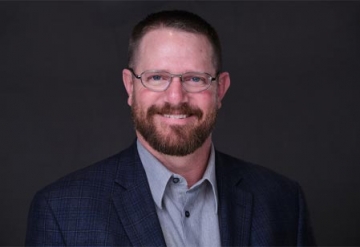
Pietro Da Sacco, Regional Engineering Manager West, Doka USA
 Pietro Da Sacco, Regional Engineering Manager West, Doka USA
The Role of Formwork in Project Safety
Safety and efficiency on complex construction projects are primary drivers of all engineering design efforts. These remain constants on every project, large or small. Safety is embedded in all Doka systems, and any design deviating from standard solutions is thoroughly vetted by our Engineering and Professional Engineering teams to ensure full compliance with applicable safety codes and regulations.
Efficiency falls into two categories: efficiency in design and efficiency in field operations—both working hand in hand. Within the design process, BIM software such as Revit and/or Tekla is utilized for project layout, providing built-in efficiencies that enable consistent design development, reduced detailing and maximized 3D layout support. The process is further enhanced through integrated use of proprietary DokaCAD software.
Field efficiency is realized once design and bill of materials are executed in collaboration with customers and Operations team. As a result, projects are designed for effective layout, equipment cycling, and ease of use, while also optimizing plan interpretation through drawings or 3D layouts. This approach reduces labor time associated with formwork assembly prior to concrete placement and supports safer, more efficient execution in the field.
Decisions That Shape Temporary Works Performance
Numerous technical decisions arise on every project where formwork and shoring solutions deliver maximum field impact. These include meeting design and equipment delivery milestones, maintaining schedules for each concrete casting phase, and building strong customer relationships by meeting—or exceeding—planned construction timelines.
Key decisions focus on selecting formwork or shoring systems best suited to field conditions, enabling efficient execution without compromising safety. Thorough planning in collaboration with clients begins with structured kick-off meetings to align on starting points, critical focus areas, and sequencing of structures, allowing assignment of appropriate teams and work packages to meet demanding schedules. As project conditions, scopes, and change orders evolve, technical decisions are continually reviewed by our Engineering teams and presented as coordinated solutions that support successful project execution.
Leading Across Disciplines in Engineering
Good leadership in formwork and shoring construction requires technical knowledge, clear communication, and a strong focus on safety. Leaders need to understand formwork, shoring, and construction steps to guide teams and ensure designs are safe and efficient. They explain complex technical ideas in ways that design and field teams can follow, while keeping clients and stakeholders informed.
Being able to anticipate problems, consider different options, and guide teams toward practical solutions is important, as is organizing schedules, resources, and work sequences to keep projects on track. Strong leaders also encourage team learning, build skills, and help develop future leaders.
Building System-Level Thinking in Engineers
Our engineering team, with my focus on the West Region (AK, AZ, CA, CO, HI, ID, MT, NM, OR, UT, WA, WY), is composed of highly talented, motivated individuals with extensive backgrounds in structural, architectural, civil, and infrastructure engineering. I mentor the team daily, providing professional guidance and necessary resources, including training in systems, personal development, construction management, and software.
This support enables team members to handle projects of any size in a process-driven, efficient manner that aligns with our national formwork and shoring strategies, adapts to current market conditions, and applies relevant training directly to projects, allowing full use of learned knowledge.
The Experiences That Changed Everything
Over 25 years in formwork and shoring have provided countless lessons, and opportunities to develop creative solutions with colleagues and customers, have shaped my approach to engineering leadership and accountability. Acting decisively and finding solutions in the fast-paced construction environment is always a challenge, but negotiating with teams and maintaining accountability in a professional, respectful manner helps ensure positive outcomes.
These principles apply across engineering and management, both within organizations and with external partners. Accepting and learning from mistakes, seeking better solutions, and maintaining honest, consistent communication with teams have been central to my approach and career growth.

Read Also

AI in Construction: Boon or Bane?
George Watts, Director of Project Management, SLS Consultants

The Digital Evolution of Design-Build: From Silos to Seamless Integration
Coe Norton, DBIA, Director Project Management, Dant Clayton Corporation

Mitigating Risk with Technology Adoption
Manny Souza, Vice President of EH&S, Same

Making A Case For Young Leadership
Sara Marlow, Director of Architecture, CSM Corporation
Building Smarter: How AI, Robotics and Automation are Reshaping Construction
Chris Creasey, Vice President of National Gaming, Suffolk Construction

Innovating the Future of Construction: Insights From Power Design's Leadership
Joshua Nelson, Director of Technology Experience, Power Design, Inc


 Copyright © 2026 All Rights Reserved | by:
 Construction Tech Review
| Subscribe | About us | Sitemap| Newsletter| Editorial Policy| Feedback PolicyTop
