Be first to read the latest tech news, Industry Leader's Insights, and CIO interviews of medium and large enterprises exclusively from Construction Tech Review
Europe's Digital Transformation in Highway Construction
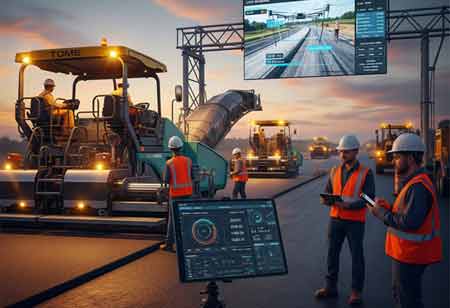
Europe's highway construction is undergoing a transformation through digital technologies like BIM and IoT, enhancing efficiency, safety, and sustainability while creating smarter, more interconnected infrastructure.
By
Construction Tech Review | Friday, December 05, 2025
Stay ahead of the industry with exclusive feature stories on
the top companies, expert insights and the latest news delivered straight to your
inbox. Subscribe today.
Europe's highway construction industry is moving beyond traditional methods to embrace digital solutions. These technologies are fundamentally changing how road networks are planned, designed, built, and maintained, leading to increased efficiency, improved safety, and greater sustainability. This shift is not just about adopting new tools; it's a strategic move to future-proof infrastructure and meet the demands of a modern, interconnected world.
Key Technologies Reshaping Construction
A suite of interconnected technologies is driving the digital revolution in highway construction, each contributing uniquely while working in collaboration across the project lifecycle. Building Information Modelling (BIM) and digital twins form the foundation of this transformation. BIM enables the creation of detailed, three-dimensional models, allowing designers and engineers to detect and resolve potential issues before construction begins, significantly reducing errors and delays. Digital twins extend this capability by serving as real-time, dynamic replicas of physical infrastructure, continuously updated with sensor data to support predictive maintenance, performance monitoring, and data-driven decision-making throughout an asset’s lifecycle.
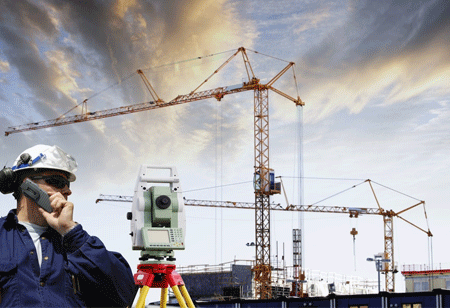
Equally transformative are 3D machine control systems and robotics. By replacing traditional string line setups with GPS- and total station-guided automation, these systems deliver unmatched precision in paving and grading while reducing material waste and accelerating project timelines. Robotics and autonomous equipment are also being deployed for high-risk or repetitive tasks such as line painting, crack sealing, and even autonomous paving, enhancing both safety and efficiency on-site.
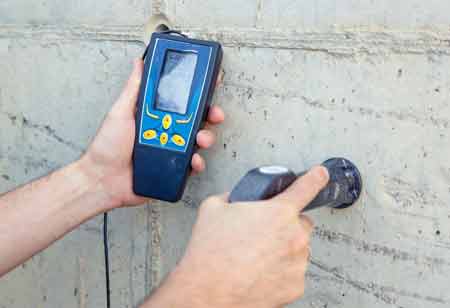
The integration of the Internet of Things (IoT) and drone technology further elevates construction processes. IoT-enabled sensors embedded in materials and machinery capture real-time data on parameters such as asphalt temperature and structural stress, enabling continuous quality assurance and proactive infrastructure management. At the same time, drones equipped with high-resolution cameras and LiDAR are transforming surveying and inspection practices by producing detailed 3D maps, tracking construction progress, and identifying potential issues with far greater speed and precision than conventional methods.
Benefits and European Initiatives
Clear benefits drive the adoption of these digital tools in Europe. They offer a path toward more cost-effective and sustainable projects, optimising resource use and minimising waste. Enhanced safety for workers and the public is a major driver, as digital systems reduce manual labour in hazardous environments and enable better traffic management during roadworks. The ability to collect and analyse vast amounts of data enables data-driven decisions, resulting in more resilient and high-performing infrastructure.
The European Union and individual countries are actively promoting this digital shift. The European AI Strategy emphasises the development of AI-driven applications for the mobility sector, while initiatives under the Digital Europe Programme are helping to deploy the necessary digital infrastructure, such as a common European mobility data space. Projects like the Rail Baltica have already demonstrated the power of digital twins in coordinating large-scale, cross-border projects.
As Europe continues to invest in its transport networks, digital solutions will become the norm rather than the exception. The focus will shift from simply building infrastructure to creating innovative and interconnected mobility ecosystems where vehicles, roads, and people communicate seamlessly. The ongoing digital transformation in Europe's highway construction is paving the way for a new era of smarter, safer, and more sustainable roads.