Be first to read the latest tech news, Industry Leader's Insights, and CIO interviews of medium and large enterprises exclusively from Construction Tech Review
Architectural Innovation: The Intelligent Building Revolution
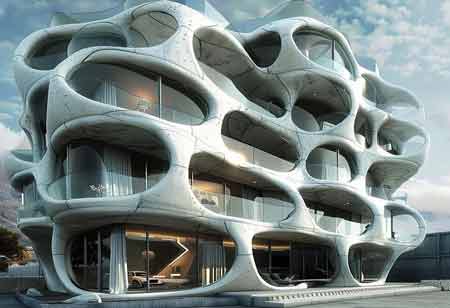
Sustainability is a core principle of intelligent buildings that minimize their environmental impact.
By
Construction Tech Review | Tuesday, October 21, 2025
Stay ahead of the industry with exclusive feature stories on
the top companies, expert insights and the latest news delivered straight to your
inbox. Subscribe today.
FREMONT, CA: Intelligent buildings combine advanced technologies to create efficient, responsive spaces. They enhance performance, comfort, and reduce environmental impact. The most significant contribution of these buildings is their energy efficiency. They use modern energy management systems to monitor and control consumption in real-time, optimizing lighting, HVAC, and other energy-intensive systems with sensors, automation, and data analytics.
Intelligent lighting systems adjust brightness based on natural light levels and occupancy, while HVAC systems respond to real-time temperature and air quality data. Dynamic management reduces energy consumption, lowers operational costs, and minimizes the building's carbon footprint. Intelligent buildings prioritize occupant comfort and well-being by creating environments that adapt to their users' needs. Advanced lighting systems, including circadian lighting, mimic natural daylight patterns to support occupant productivity and well-being. Smart buildings often incorporate advanced acoustic management and customizable workspace settings, creating a more pleasant and efficient experience for occupants.
Intelligent buildings significantly improve security and safety by integrating advanced surveillance and access control systems. Access control systems utilize biometric authentication, smart cards, or mobile credentials to ensure secure entry. Intelligent buildings can automatically initiate emergency evacuation procedures, provide real-time alerts, and communicate with emergency services. The features enhance occupant safety and protect valuable assets. Intelligent buildings streamline building management through centralized control and automation. The integration allows facility managers to monitor and control all aspects of the building from a single interface.
Intelligent buildings contribute to reducing overall environmental impact and promoting a greener future. Smart buildings often incorporate green building practices and technologies, such as renewable energy sources (solar panels, wind turbines), water conservation systems, and sustainable building materials. Intelligent systems optimize resource usage and promote recycling and waste reduction. Intelligent buildings offer adaptive and flexible spaces that can be reconfigured based on changing needs and preferences. Intelligent systems enable dynamic space management, adjusting room layouts, partitioning, and furniture arrangements to suit different activities and occupant requirements.
The flexibility supports diverse uses and enhances the building's functionality, making it adaptable to various purposes and user preferences. Data analytics provides insights into building performance, energy usage patterns, and occupant behavior. The information allows for more informed decisions regarding maintenance, upgrades, and operational strategies. Intelligent buildings can continuously evolve and improve their performance by leveraging data-driven insights. Smart buildings are characterized by their high level of connectivity and integration with various technologies. Internet of Things (IoT) devices, sensors, and communication networks enable seamless interaction between building systems and external applications.
The connectivity supports advanced functionalities such as remote monitoring, predictive maintenance, and integration with smart city infrastructure. Enhanced connectivity ensures that intelligent buildings are at the forefront of technological innovation and can adapt to future advancements. Intelligent buildings are redefining modern architecture by integrating advanced technologies to enhance energy efficiency, occupant comfort, security, and sustainability. Through innovative systems and data-driven insights, these buildings offer optimized management, adaptive spaces, and improved environmental performance.